
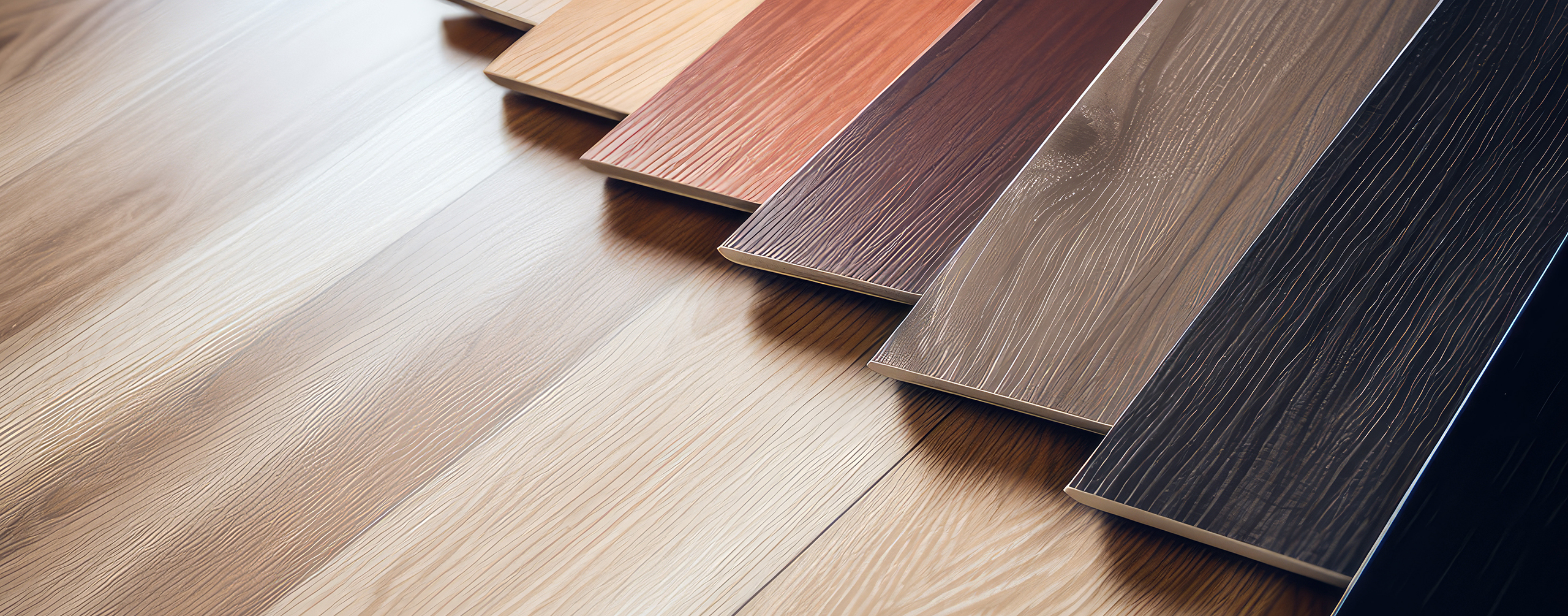
Choosing the Right Wood Flooring
Wood flooring has remained one of the most desirable flooring choices for generations, and for good reason. It adds warmth, character, and long-term value to a home while complementing nearly every design style. However, not all wood flooring is created equal. From traditional hardwood to engineered planks and specialty species, each option offers its own advantages depending on your lifestyle, budget, and the space you're renovating.
Understanding the differences can help homeowners make an investment they'll appreciate for decades.
Solid Hardwood: The Classic Choice
Solid hardwood flooring is exactly what it sounds like—each plank is milled from a single piece of natural wood. It's known for its timeless appearance, exceptional durability, and the ability to be sanded and refinished multiple times over its lifespan.
Popular species include oak, maple, hickory, walnut, and white ash, each offering unique grain patterns and natural color variations.
Because solid hardwood expands and contracts with changes in humidity, it's generally best suited for above-grade living spaces such as bedrooms, dining rooms, and living rooms. With proper care, solid hardwood floors can last well over 100 years.
Engineered Hardwood: Built for Modern Living
Engineered hardwood has become one of the fastest-growing flooring categories. Rather than being cut from a single piece of wood, it's constructed with a genuine hardwood veneer bonded to multiple layers of plywood or high-density fiberboard.
This layered construction makes engineered hardwood more dimensionally stable, meaning it's less likely to expand or contract with seasonal humidity changes.
That added stability allows it to be installed in areas where traditional hardwood may not be recommended, including finished basements, condominiums, and homes with radiant floor heating.
Best of all, engineered hardwood delivers the same authentic wood appearance because the top layer is real hardwood.
White Oak: Today's Most Popular Choice
Among all hardwood species, white oak continues to dominate modern home design.
Its subtle grain, excellent durability, and neutral color make it incredibly versatile. White oak accepts stains exceptionally well, allowing homeowners to create everything from light Scandinavian-inspired interiors to rich contemporary finishes.
Its closed grain structure also makes it naturally more resistant to moisture than many other hardwood species, adding to its popularity.
Red Oak: Traditional and Timeless
For decades, red oak has been one of America's most installed hardwood floors.
Known for its pronounced grain pattern and warm undertones, red oak creates a classic appearance that works beautifully in traditional homes.
It's durable, readily available, and often more budget-friendly than some premium hardwood species, making it an excellent option for homeowners seeking long-lasting value.
Hickory: Built for Busy Homes
If durability is the priority, hickory deserves serious consideration.
One of the hardest domestic wood species available, hickory resists dents and everyday wear better than many alternatives. Its dramatic color variation—from creamy whites to deep brown streaks—creates a bold, rustic appearance that's difficult to replicate.
Busy households with children, pets, or heavy foot traffic often appreciate hickory's toughness.
Maple: Clean and Contemporary
Maple offers a smoother, more consistent grain pattern than oak or hickory.
Its naturally light appearance complements modern and minimalist interiors while providing excellent durability. Because maple has a tighter grain, it doesn't always absorb darker stains as evenly as oak, making natural or lighter finishes especially popular.
Its clean appearance makes it a favorite in contemporary homes.
Walnut: Luxury Underfoot
For homeowners seeking a more upscale appearance, walnut delivers unmistakable elegance.
Its rich chocolate tones and flowing grain patterns create a sophisticated atmosphere that's difficult to match. While walnut is slightly softer than oak or hickory, many homeowners gladly accept that tradeoff for its stunning appearance.
Walnut is often selected for executive offices, formal dining rooms, and luxury custom homes.
Wide Plank Flooring Continues to Grow
One of today's biggest flooring trends is wider planks.
Traditional hardwood floors often measured between 2¼ and 3¼ inches wide. Modern flooring commonly ranges from 5 to 9 inches, creating a more open and seamless appearance.
Wider planks showcase more of each board's natural grain and reduce the number of seams throughout a room, giving spaces a larger, more luxurious feel.
Finish Matters Just as Much as the Wood
Beyond species selection, homeowners should also consider finish options.
Matte finishes have become increasingly popular because they minimize glare and better hide everyday dust and minor scratches.
Wire-brushed and hand-scraped textures add character while helping conceal wear over time. Prefinished flooring provides a durable factory-applied coating, while site-finished floors offer seamless customization and a perfectly uniform appearance throughout the home.
The right finish can dramatically influence both the look and long-term maintenance of your floor.
The Bottom Line
Wood flooring isn't a one-size-fits-all investment. Every species, construction method, plank width, and finish offers its own combination of beauty, performance, and durability.
Whether you prefer the timeless elegance of solid hardwood, the versatility of engineered flooring, or the rugged durability of hickory, today's flooring options provide solutions for nearly every home and lifestyle.
Taking the time to understand the differences before you buy can help ensure your new floors continue to add beauty, comfort, and value for many years to come.

If you're in the market for flooring feel free to contact Goshen Floor Mart. Remember, we are always happy to provide you with a free estimate. Call us today at 574.642.4770 or contact us here